Great rabbit nutrition starts with the right feed
There are a lot of ways to prepare a rabbit for the show table. You can practice handling, work on posing and brush their coat ‘til it shines. But you can’t fake good nutrition.
Jeff Hardin would know. He’s spent more than 50 years breeding, raising and showing rabbits all over the world. Hardin has also been a licensed judge since ’82, evaluating everything from body condition and fur to breed type and presentation.
After all those years, his approach to nutrition is surprisingly straightforward.
“Build a solid routine, feed consistently, and pay attention to the rabbit in front of you. Do that, and show day gets a lot easier,” Hardin says.
Traditional pelleted feed vs. extruded feed
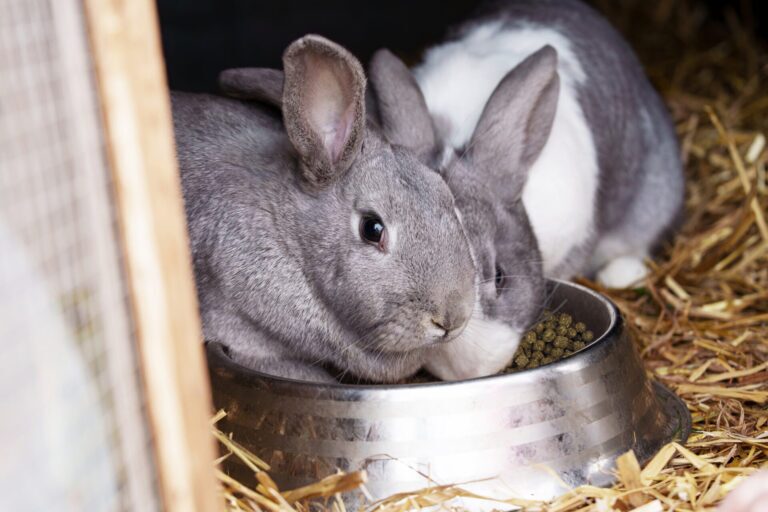
Not all rabbit feed is made the same. Traditional pellets are hard and compressed while extruded rabbit feed is a bit different. The ingredients are rapidly cooked with moisture, heat and pressure to form a light and airy nugget.
The difference matters, and Hardin said he sees it particularly with show rabbits that spend a lot of time traveling. Despite the stress, they continue to eat well and maintain their fur and body condition.
Why does Hardin prefer extruded rabbit feed?
From his experience, there are several advantages:
- Rabbits are excited to eat it even during stressful travel.
- It helps simplify his feeding program.
- Rabbits stay show-ready with consistent body condition.
Extruded rabbit feed must be fed by weight
You can’t assume the same scoop equals the same amount of feed from one feed form to another. Extruded nuggets have a different density than traditional pellets. That makes it important to follow the feeding directions by weight instead of filling the same measuring cup you’ve always used.
What’s in a quality rabbit feed?
Hardin has watched rabbit nutrition change quite a bit since he first started raising rabbits in 1969. While it can be challenging to stay up on the latest science, his personal rabbit feed checklist starts with the basics:
- An alfalfa-based formula
- Consistent ingredients
- Good fiber and overall formulation
- Additional nutritional components that support his management goals
- Fresh feed
- A formula his rabbits readily eat
Different rabbit breeds have different nutritional needs
A Netherland Dwarf and a Flemish Giant shouldn’t be staring down identical dinner portions. Hardin said he establishes a starting portion based on the breed’s size and makes small adjustments for the individual rabbit. He regularly handles them and asks simple questions:
- Is this rabbit getting a little heavy?
- Can I feel more bone than I should?
- Does the skin feel loose?
- Is the body firm and well-conditioned?
- Is this a growing rabbit that needs more nutrition?
Growing rabbits may need more feed
Young rabbits are still developing, so Hardin generally gives them more access to feed than mature animals.
He described his approach as almost free-choice feeding for growing rabbits, although he still portions feed rather than giving them an unlimited supply. Mature rabbits get a more established amount based on breed, size and condition.
Showing rabbits starts long before the show
Hardin’s first piece of advice for show preparation has nothing to do with ribbons, poses, judges or rabbit showmanship. He says the key is keeping your rabbit in great condition every day.
That doesn’t mean you have to overhaul your feeding program before a competition. Hardin doesn’t pile on supplements or anything new at the last minute. He relies on a consistent routine built around Home Fresh® Show Hutch Deluxe®. It’s a complete rabbit feed designed to provide the balanced nutrition they need to thrive.
“It’s kind of like, if it’s not broke, there’s nothing to fix before a show,” Hardin says.
Plan your pre-show routine like a professional
Don’t let your nerves get the best of you. Focus on what you can control in posing and showmanship and let the experts at Home Fresh handle the nutrition side of things.
- Check body condition. Hardin handles each rabbit and makes sure it feels appropriately conditioned for its breed.
- Work with the coat. A little extra brushing and grooming can help get the fur ready for the table.
- Practice rabbit posing. Different show rabbit breeds are presented differently, so rabbits need to know what’s expected.
- Keep handling them. Regular handling makes teeth, nail and body checks feel a lot less strange when a judge does them.
- Stick with the normal feeding routine. No sudden diet changes. No pre-show Hail Marys.
What does a judge notice at rabbit shows?
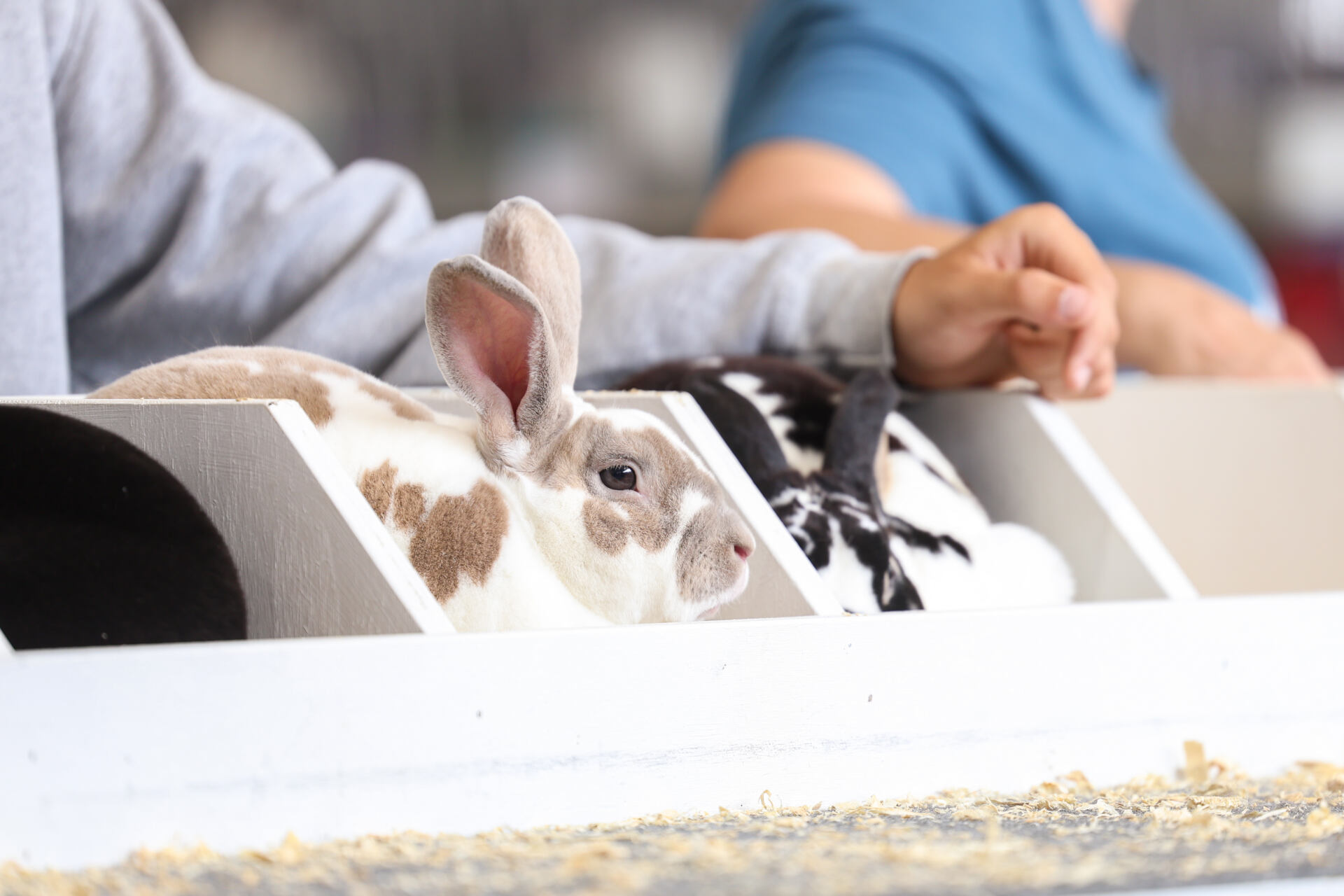
Once a rabbit hits the table, years of judging experience tell Hardin plenty.
Good rabbit showmanship certainly helps. A rabbit that’s comfortable being handled and knows how to pose is easier to evaluate. But presentation can’t cover up poor condition. Hardin pays attention to things like:
- Firm muscle and flesh condition
- Finished, healthy-looking fur
- Appropriate body weight and condition
- The belly and hocks
- Overall grooming and hygiene
- How comfortably the rabbit handles and poses
Hardin said judges can often get a feel for the quality of a rabbit’s everyday management simply by examining it. That’s where nutrition shows up.
He credits his feeding program with helping his rabbits maintain their flesh and fur condition, even when they’re traveling from show to show. Rather than trying to get a rabbit into shape a few days before competition, his goal is to keep it there.
“The best preparation for showing rabbits isn’t a last-minute trick. It’s what you do every day,” Hardin says.