What is coccidiosis and how can it affect chicks?
Coccidiosis is a serious and common disease caused by parasites from the Eimeria species. These parasites attack the intestinal tract, leading to coccidiosis symptoms in chickens such as bloody droppings, poor growth and even death. Chickens contract coccidiosis by ingesting parasite eggs (called oocytes) found in contaminated litter, feed, water or surfaces. Young birds are more susceptible because their immune systems are not yet developed.
What are coccidiosis symptoms in chickens
Early detection is critical. Common coccidiosis symptoms in chickens include:
- Bloody or watery droppings
- Lethargy and huddling together
- Loss of appetite and weight loss
- Pale combs or drooping wings
- Slow growth and poor feather condition
Not all birds show severe symptoms at once, so keeping a close eye on droppings, behavior, and growth rates can help you catch the disease early.
Amprolium for chickens: How it works
Amprolium is a common anticoccidial medication used in chicken feed for the treatment and prevention of coccidiosis. Amprolium works by mimicking Vitamin B1 (thiamine), which the parasites need to survive. When they absorb Amprolium instead, they experience thiamine deficiency and starve—giving chicks a chance to build natural immunity without getting sick. This makes Amprolium a coccidiostat, meaning it controls the parasite population rather than eliminating it completely. This controlled exposure helps chicks develop long-term resistance to the disease. Amprolium is not an antibiotic, so it won’t help with bacterial infections.
Is amprolium safe?
Amprolium is one of the few anticoccidial medications approved by the FDA for use in egg laying hens and has a zero-day withdrawal period, meaning eggs and meat from birds fed Amprolium are safe to eat. It’s considered safe for chickens, turkeys and pheasants of all ages when used as directed and is especially helpful for chicks that haven’t been vaccinated for coccidiosis.
Management tips for preventing coccidiosis in chickens
Even with medicated feed, environmental management is key to keeping your chicks healthy. Follow these management tips for better prevention:
- Avoid overcrowding: Too many birds in one space increases stress and disease spread. Always follow recommended stocking densities.
- Keep it dry: Coccidia thrive in warm, moist litter. Use absorbent bedding and clean regularly to reduce moisture.
- Practice biosecurity: Limit access to your coop, disinfect boots, tools and feeders and quarantine new birds before introducing them to the rest of the flock.
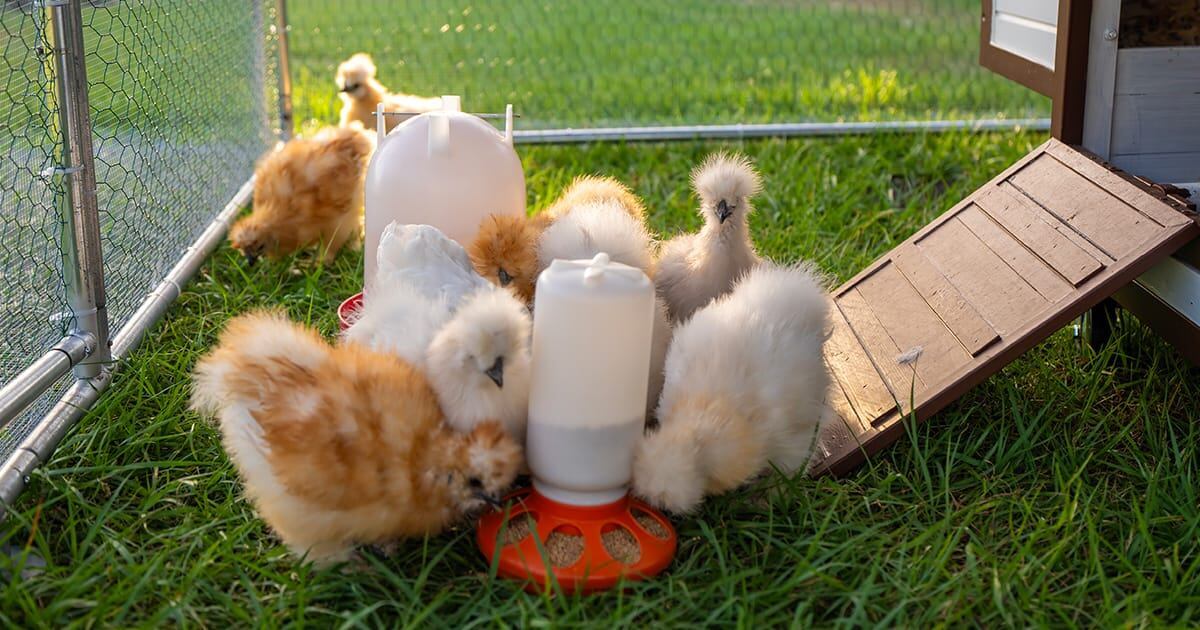
- Clean feed and water daily: Prevent coccidiosis in chickens by keeping feeders and waterers clean and elevated off the ground.
- Rotate pens or pastures (if applicable): Moving birds to fresh ground helps break the parasite’s life cycle.
By including medicated feed like Home Fresh Chick Starter feed and smart flock management practices, you’re giving your chicks the best possible start. Preventing coccidiosis early not only protects their health but also sets the stage for strong growth, better immunity and productive laying down the road. A little prevention goes a long way—so keep your coop clean, your birds well-fed with Home Fresh and your eyes open for signs of trouble.
By including Amprolium in our Home Fresh® Chick Starter feed, we’re helping give chicks the best possible start—so they grow into strong, productive members of your backyard flock.