What your chickens’ eggs can tell you about their health
An egg can tell you quite a bit before you crack it open. Its size, shape, color and shell quality offer clues about the hen that laid it. Some changes are normal, but others might point to nutrition, stress or health issues.
Here are nine things your eggs can tell you about your chickens.
1. Egg quality is all about recognizing patterns and changes
Chickens lay strange eggs sometimes. You might find one without a shell, one could be flat on one side, or a young hen might even surprise you with a double yolk. Usually, those one-offs aren’t cause for alarm.
Young hens are still getting into the rhythm of egg production and may produce some ‘oopsie’ eggs early in the process. An egg can also become misshapen while moving through the reproductive tract. Sometimes things just don’t go according to nature’s plan.
What matters more is repetition. If thin shells, dirty eggs or other shell abnormalities persist in your flock, there may be an underlying nutritional, environmental or health issue.
2. Thin shells can point to more than a calcium problem
Thin, translucent shells are a telltale sign your hens need attention. Inadequate dietary calcium is a likely culprit. Laying hens need to consume high levels of calcium to produce eggs with strong shells.
Did you know that an eggshell is about 40% pure calcium by weight? That’s nearly two grams of calcium for each egg!
Heat stress can also interfere with a hen’s ability to properly use calcium, resulting in thin or brittle shells. Age can play a role in shell quality as well. Eggs generally become larger as hens age, but the amount of shell a hen can deposit doesn’t necessarily increase at the same rate. That means the same amount of shell gets stretched across a bigger egg. So before dumping extra calcium into the feeder, it’s important to look at the bigger picture.
3. Improving egg quality starts with balanced calcium
If thin shells have you reaching for added calcium, be careful. More isn’t always better. Ensure you are providing a complete layer feed, like Home Fresh Extra Egg Layer, that supplies appropriate calcium levels for laying hens. For a typical hen, around 4% calcium in her diet is adequate for egg production. However, many factors influence the calcium requirement, and it could range from 2.5% to even 5% of her diet. If you suspect supplemental calcium is needed, options like oyster shells can be provided to your hens—but make sure this is offered separately instead of mixed directly into their regular feed.
Offering calcium free-choice will allow your hens to regulate their calcium intake as needed, which they can do surprisingly well. A highly productive hen that senses she needs more calcium can visit the oyster shell dish. One that doesn’t lay as frequently will most likely leave it alone.
Allowing supplemental calcium free-choice is important because too much calcium can create problems of its own. Excess calcium intake can cause shell quality issues like rough calcium deposits or little bumps sometimes described as pimples on the shell. Over time, excess calcium can also cause issues for your hens internally, impacting their quality of life.
When figuring out how to improve egg quality, balance matters more than simply adding extra calcium.
4. Calcium isn’t the only nutrient your hens need for quality eggs
While calcium gets the spotlight when we talk about nutrition in laying hens, the process involves other essential nutrients. Specifically, phosphorus and vitamin D work closely with calcium in shell production. An imbalance in any one of them can affect the quality of the finished eggshell.
And the story doesn’t stop there. Protein supplies amino acids like methionine and lysine. These amino acids support all bodily processes, from muscle development to feather growth and egg production.
That’s why a complete layer feed, like Home Fresh Extra Egg Layer, matters. Chickens need a balanced supply of nutrients that work together. When comparing feeds, don’t get hung up on the longest ingredient list or the highest crude protein level. Look at the complete nutritional picture.
5. Too many treats can be a bad thing for your hens (and their eggshells!)
Your chickens probably love treats, or anything even remotely edible. But that doesn’t mean treats should become dinner. Scratch grains, bread and many table scraps can pack plenty of calories without supplying the amino acids, vitamins and minerals laying hens need.
A hen that eats enough scratch to skip her balanced feed may come up short on the nutrients supporting her eggs, feathers and overall health. Treats can absolutely be part of backyard chicken keeping. Just remember to divvy them out in moderation and keep in mind that treats should not make up more than 10% of your hens’ diets.
6. Heat stress can show up in the eggshell
Hot day? Check the eggs. Chickens can’t sweat, so they rely on panting to cool themselves. Excessive panting can disrupt the mineral balance inside the bird and interfere with calcium utilization.
The result can be thinner shells. That makes weather an important part of how to check chicken egg quality. If shell strength suddenly drops during a stretch of hot weather, nutrition may only be part of the story. Water becomes especially important during these periods. When chickens are stressed, easy access to clean, fresh water helps them regulate body temperature, keep eating and maintain normal egg production.
When it comes to egg production, water matters more than you might think. Losing access to water can affect production much faster than a poor diet. Electrolytes can be helpful during times of heat stress, similar to how people might reach for Gatorade, but they’re best used as needed rather than as a replacement for fresh, clean water.
7. Dirty eggs can tell you to look beyond the feed
Freshly laid eggs should generally be clean and free of manure. If yours suddenly aren’t, start investigating.
Dirty nesting boxes are an obvious possibility, especially if your hens sleep in them at night. But repeatedly finding manure on eggs could also point toward digestive trouble, such as a coccidiosis infection or an electrolyte imbalance. Small amounts of blood can sometimes also appear on eggs from young hens that are just beginning to lay. While it may be alarming, this is quite normal as their reproductive tract is still maturing.
However, blood appearing in large amounts or regularly in a mature flock deserves more attention. It could indicate an intestinal or reproductive issue.
8. Know when it’s time to intervene
One-off, odd eggs aren’t a reason to panic, but a few situations deserve quicker action.
A hen repeatedly squatting, hunching or straining without producing an egg could be egg bound, meaning an egg is likely stuck in her reproductive tract. That’s a situation where veterinary help may be needed.
Then there are lash eggs. Despite the name, they aren’t really eggs. They’re masses of rubbery or hardened material passed through the reproductive tract that can be associated with inflammation or an infection. Handle them carefully while using gloves and contact a veterinarian because the underlying problem may require treatment.
Persistent blood, significant digestive problems or unusual discharge are also good reasons to get professional help. And make sure it’s the right professional. If a poultry-specific veterinarian isn’t available, one who works with livestock or exotic animals will generally be a better resource for chickens than a practice focused only on dogs and cats. University extension programs or offices can also provide excellent information and reference materials.
9. Why are eggshells different colors? Usually, it’s genetics
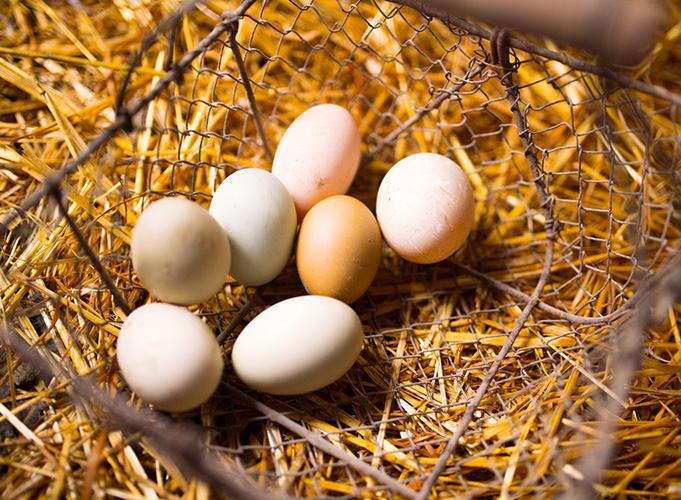
A blue egg next to a brown one might seem like the result of a dramatic nutritional difference, right? Surprisingly, it isn’t. So, what causes eggshells to be different colors?
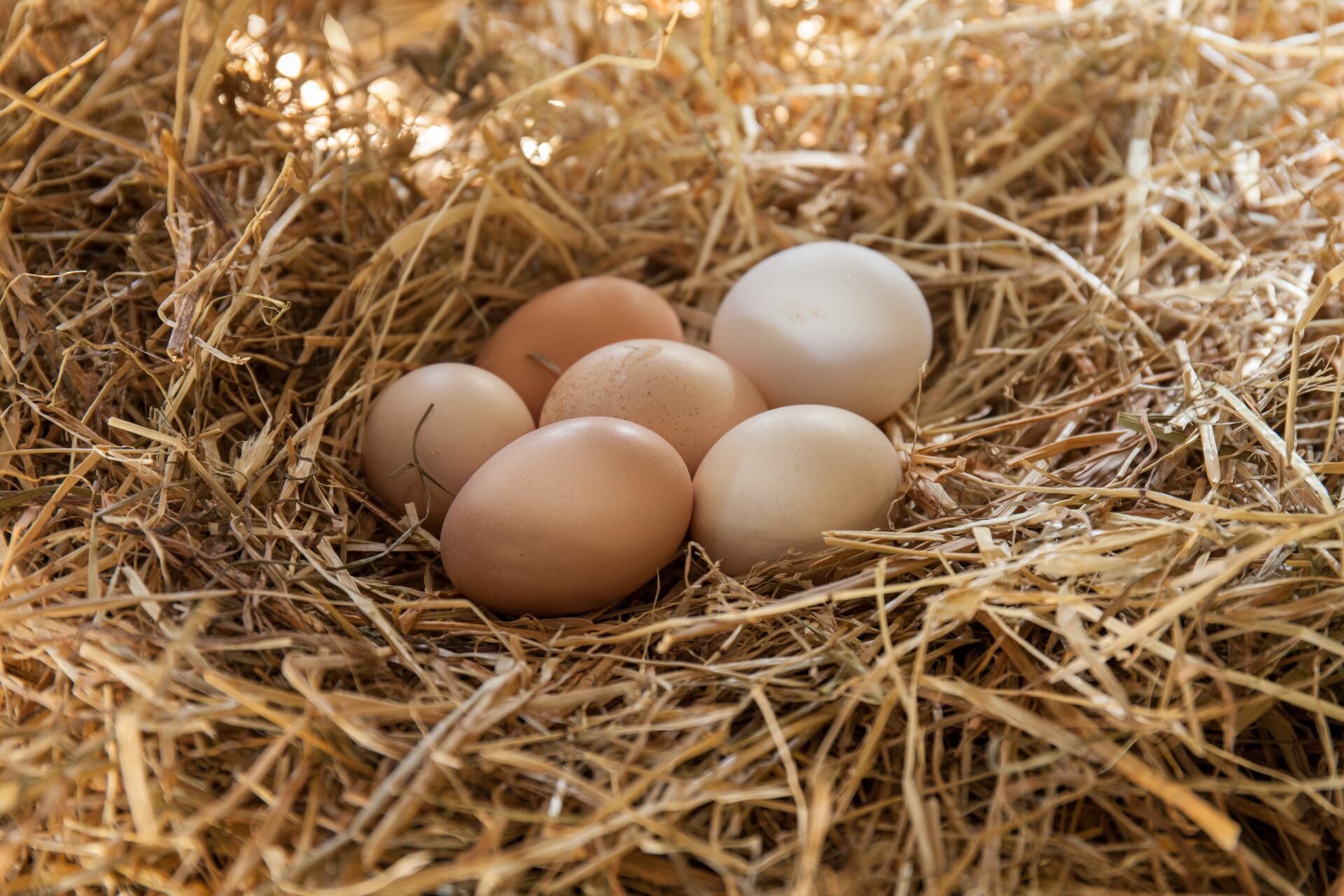
Breed and genetics are the major factors in eggshell color. All eggs begin with white shells due to the natural color of calcium. Some chickens will lay the white eggs as they are, but many breeds will deposit an extra layer of pigment that colors the outer eggshell brown, blue or even green. Color can also change slightly with age.
Dark brown egg layers, for example, may produce lighter shells as they get older and lose some ability to produce pigments. Don’t fret though—eggshell color has nothing to do with the nutritional value of the egg!
Choose Home Fresh to support quality eggs and a thriving flock
Eggshells can tell you a lot about your flock’s overall health. From shell strength and texture to size, color and consistency, small changes can offer clues about nutrition, stress and everyday management. Knowing what to watch for can help you spot potential issues early and better support healthy hens and consistent egg production.