As the days get shorter, a drop or even a complete pause in egg production is expected for most chickens, especially backyard flocks. Even winter-hardy breeds can experience a noticeable dip. This natural response to reduced daylight helps hens conserve energy during the colder months.
The Role of Daylight in Winter Egg Production
The behavior of egg laying in chickens (and other poultry) is controlled through daily light stimulation, also called the photoperiod. The brain of a chicken contains a unique gland called the pineal gland, which senses and tracks hours of daylight. For a hen to be stimulated to lay eggs consistently, she needs to be exposed to about 14 hours of light within a 24-hour period. Fewer than 14 hours of light will result in inconsistent egg production—or a halt in egg laying altogether—especially in older hens. With natural daylight reaching a low of only about 9 hours per day during winter, it’s no wonder that your ladies seem to go on strike! On the other hand, maximum egg production occurs with around 16 hours of daylight per day, which is easily achieved with natural daylight during summer months.
How to Keep Chickens Laying Eggs in Winter
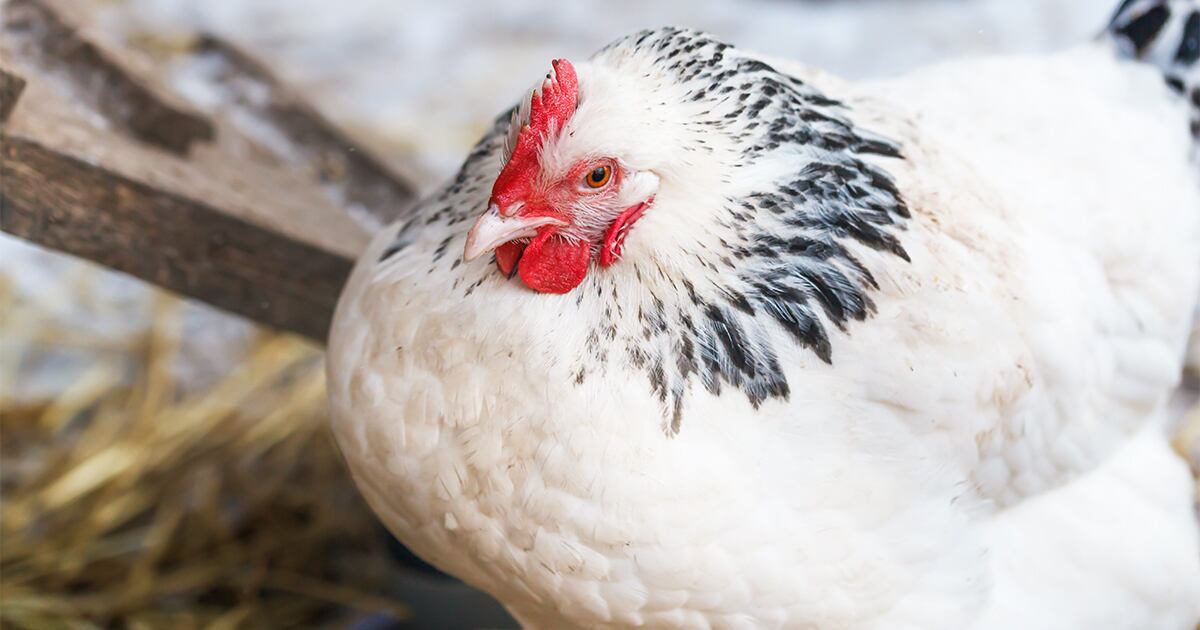
While not having fresh eggs every day can be inconvenient, this period of “rest” for your hens can be very beneficial to their health. Often referred to as molting, this time allows hens to replenish energy (fat) and calcium stores within their bodies to prepare for the next egg-laying cycle. You may also notice that your chickens looking a little frazzled during this time, with noticeably missing feathers.
Here’s how to support your flock and encourage winter laying safely:
- Support Molting with High Protein Feed
During this period, it can be helpful to feed your flock a higher-protein diet, like Home Fresh Better Feather, to promote keratin synthesis for feather regrowth. Think of it as bulking season during some much-needed PTO! While your flock may look unsightly for a few weeks and have some bald patches, new feathers will soon grow back, and your ladies will be ready to return to work no time. - Add Artificial Light (Gradually!)
On average, the molting process takes about 8 weeks to complete. After this period, once your flock is fully feathered again, you can slowly lengthen their daylight hours to stimulate egg laying again. This can be done by adding artificial lighting to your coop using red or warm-tone lightbulbs.However, avoid “shocking” them by jumping from 9 hours of light straight to 14 or 15 hours, as this can reduce egg and eggshell quality. Instead, increase the amount of light gradually—about 15 minutes per day is ideal (and your birds will thank you). If your birds have outdoor access, consider adding lighting to outdoor areas as well, especially for those that prefer to stay outside past dark. Soon, your flock should be back to full-scale production!
Will Chickens Skip Molting Provided 14+ Hours of Light Year Round?
This is a tricky question because the answer is both yes and no. By keeping the light on in your coop for 14 or more hours a day, your flock will likely keep laying well into winter and beyond. However, continuous egg laying is not sustainable for a hen, and eventually her body will tell her to stop.
When will this happen? Only your hens know. Likely, they will slowly taper off production over time. Unlike a hard molt as a group, hens will likely do this individually—so some hens may still lay while others shed feathers. This type of molting could occur at any time, even in summer.
The trade-off with this system is lower egg production for a longer period of time, rather than a hard stop and restart. The eggs are in your basket!
Final Thoughts: Keeping Your Flock Productive and Healthy
Winter egg slowdowns might feel like your flock is slacking, but they’re just doing what nature designed them to do. With shorter days and colder weather, hens shift their energy towards staying warm and rebuilding feathers. By offering higher-protein feed, easing them through molt and thoughtfully adding supplemental light, you’ll help keep your birds healthy and help encourage more consistent winter production.
Remember: this seasonal rest isn’t a setback—it’s an investment in your hens’ long-term health and productivity. With the right care and a little patience, your ladies will be back to fill the egg basket before you know it.
Additional resources:
https://www.canr.msu.edu/news/decreasing-daylight-and-its-effect-on-laying-hens
https://extension.psu.edu/artificial-lighting-for-winter-egg-production