Why Hydration Matters
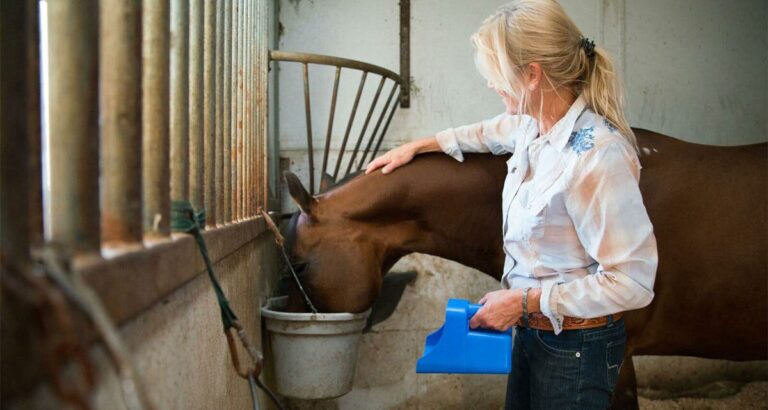
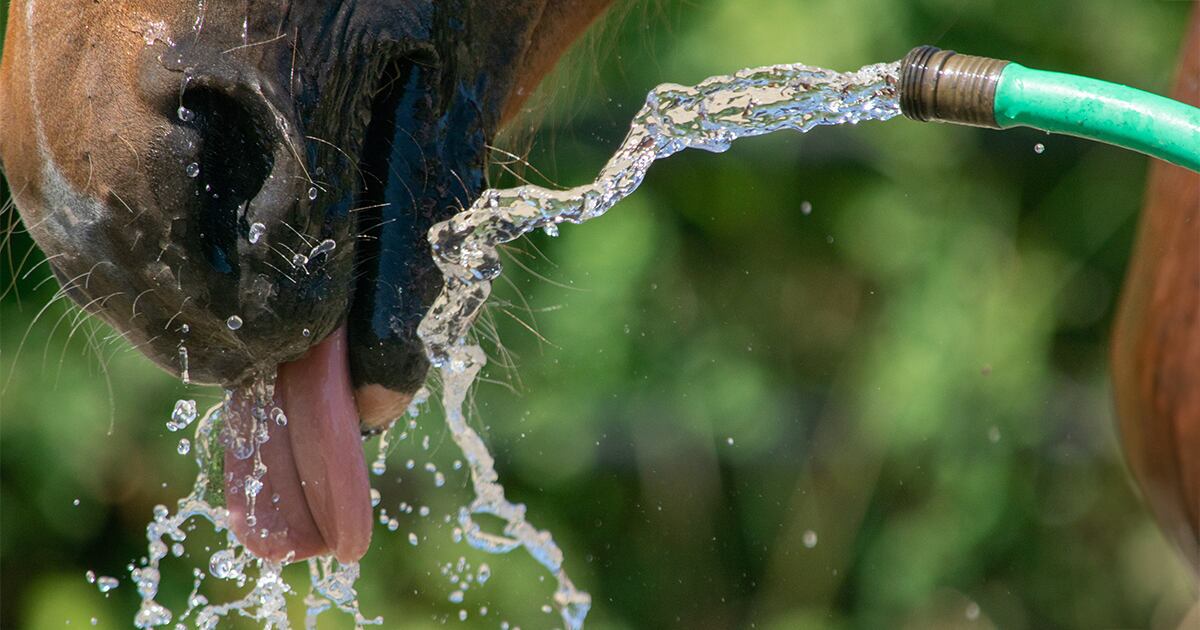
Horses are large animals with significant daily water requirements. As a general guideline, horses need approximately one gallon of water per day for every 100 pounds of body weight. That means an average 1,000 to 1,100-pound horse may consume 10 to 11 gallons of water daily under normal conditions.
However, those requirements can increase dramatically when temperatures rise or when a horse is working hard. Horses are prolific sweaters, losing substantial amounts of fluid and electrolytes during exercise and hot weather. Unlike many animals, horse sweat contains proteins that create the characteristic frothy appearance often seen on working horses.
Because of these fluid losses, maintaining hydration becomes critical for performance, recovery, and overall health.
Recognizing the Signs of Dehydration
One of the simplest ways to evaluate hydration status is the skin pinch test. Gently pull a fold of skin on the horse’s neck and release it. In a well-hydrated horse, the skin should quickly return to its normal position. If the skin remains tented or returns slowly, it may indicate dehydration.
Other common signs include:
- Lethargy or reduced energy
- Decreased athletic performance
- Reluctance to work
- Excessive fatigue
- Reduced water consumption
- Dark, concentrated urine
As dehydration becomes more severe, horses may begin to lose coordination, stagger, or show signs of heat stress. By that point, the situation has become much more serious and requires immediate attention.
What Happens When Horses Become Dehydrated?
Dehydration affects far more than just thirst.
As fluid levels decrease, blood becomes more concentrated and thicker, making it more difficult for the heart to circulate throughout the body. The kidneys respond by conserving water, reducing urine production and producing darker urine.
For performance horses, dehydration creates an additional challenge because the circulatory system plays a major role in cooling the body. Reduced fluid volume means less efficient heat dissipation, resulting in elevated core body temperature. If left unchecked, this can develop into a dangerous cycle of increasing heat stress, impaired organ function, and potentially serious health consequences.
Summer: The Most Obvious Hydration Challenge
Summer is the season most horse owners associate with dehydration, and for good reason.
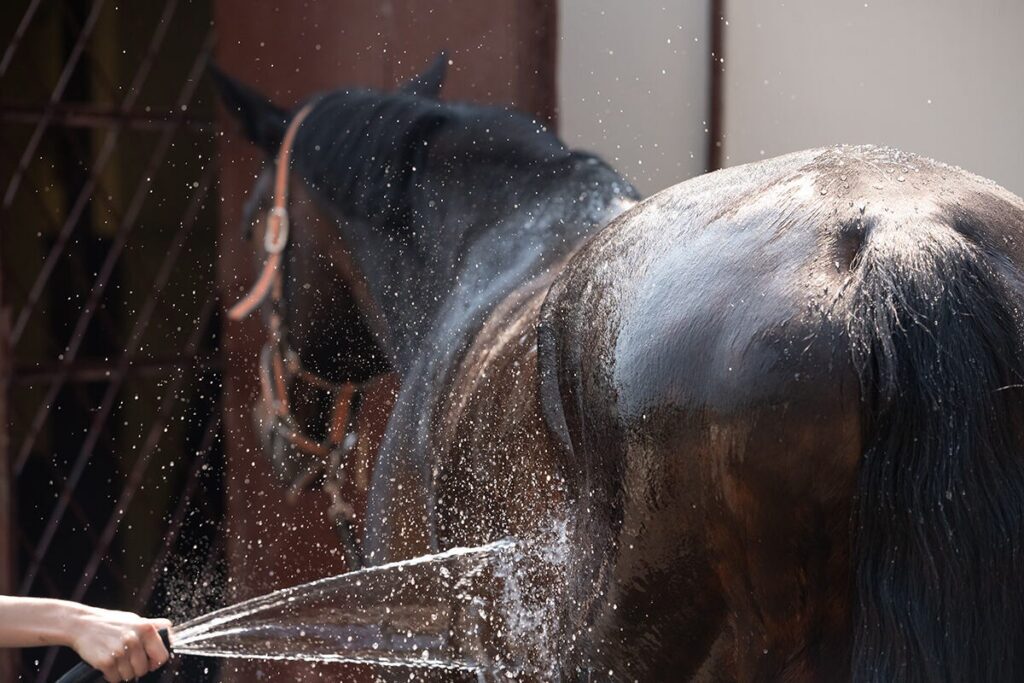
Hot weather and exercise significantly increase sweat losses, resulting in substantial losses of potassium and sodium chloride.
These electrolytes are essential for maintaining fluid balance, muscle function, and overall health. Without proper replacement, horses may struggle to maintain hydration and performance.
Key Summer Hydration Tips
1. Always Provide Fresh Water
Fresh, clean water should be available 24/7. Monitor consumption closely, especially during periods of intense work or high temperatures.
2. Offer Free-Choice Salt
A salt block should be available year-round. Salt encourages water consumption and helps replace sodium lost through sweat.
3. Use Electrolytes Appropriately
Electrolyte supplementation is often necessary for horses working during the summer months. However, more is not always better. Excessive electrolyte use can create problems, particularly regarding gastric health. Chronic overuse may contribute to increased frequency and severity of gastric ulcers.
When selecting an electrolyte product, consider options that utilize slow-release or encapsulated technology. These formulations may provide a more gradual absorption profile and reduce the large electrolyte spikes associated with some traditional products.
Because frequent electrolyte supplementation can also place added stress on the stomach, it’s a good idea to pair your hydration program with a gut health supplement like Sentinel Care Gastric Support to support digestive health during training, travel, and competition.
4. Pay Attention to Diet
Diet influences water requirements. Horses consuming higher-protein feeds or alfalfa-based diets often require additional water because they naturally produce more urine during the digestion and excretion process.
Hydration Challenges on the Road
Many horse owners notice that their horses drink less when traveling to competitions or events.
Horses become accustomed to the taste and smell of their home water supply. A horse that typically drinks well water may suddenly refuse city water that has different characteristics due to chlorination or fluoridation.
To encourage water intake while traveling:
- Bring water from home when possible
- Gradually blend home water with local water for longer stays
- Use consistent flavoring agents both at home and while traveling
Show horses are particularly vulnerable because travel, exercise, and environmental stress all increase hydration demands while potentially reducing voluntary water intake.
Don’t Forget About Winter Hydration
One of the biggest misconceptions among horse owners is that dehydration is only a summer problem.
In reality, winter hydration issues can be just as significant.
Veterinarians commonly report an increase in impaction colic cases following severe cold snaps. Several factors contribute to this trend:
- Horses often drink less when water is extremely cold
- Frozen water sources may limit access
- Muddy areas around tanks can freeze, making it difficult for horses to approach and access water
- Hay consumption often increases during cold weather as horses generate body heat, which also increases water needs
The combination of increased dry matter intake and decreased water consumption can contribute to some major digestive disturbances.
Winter Hydration Strategies
- Keep water free of ice and available at all times
- Use tank heaters when appropriate
- Ensure access areas remain safe and comfortable
- Monitor water intake during periods of extreme cold
Hydration Deserves Year-Round Attention
Proper hydration is one of the simplest yet most important aspects of horse management. Whether you have an equine athlete competing during the summer, a halter horse traveling to events, or a pasture companion consuming a lot of hay through the winter, water intake deserves year-round attention.
By providing constant access to clean water, offering electrolytes and free-choice salt, monitoring intake during travel, and understanding the signs of dehydration, horse owners can help ensure their horses remain healthy, comfortable, and performing at their best in every season.