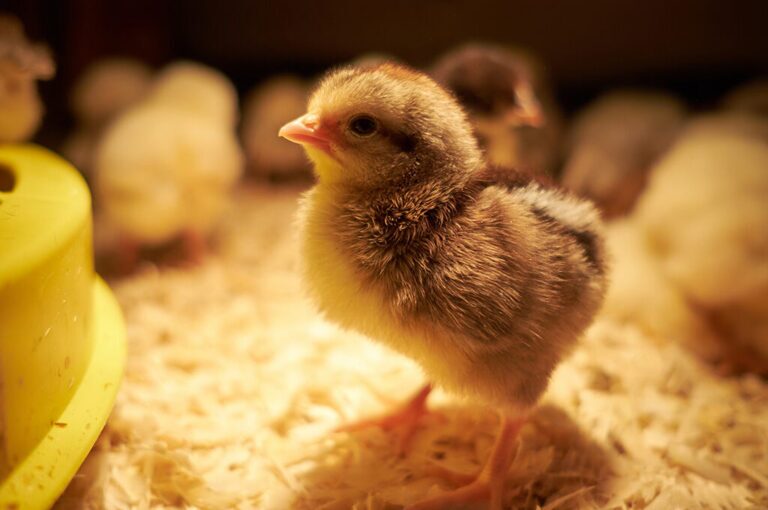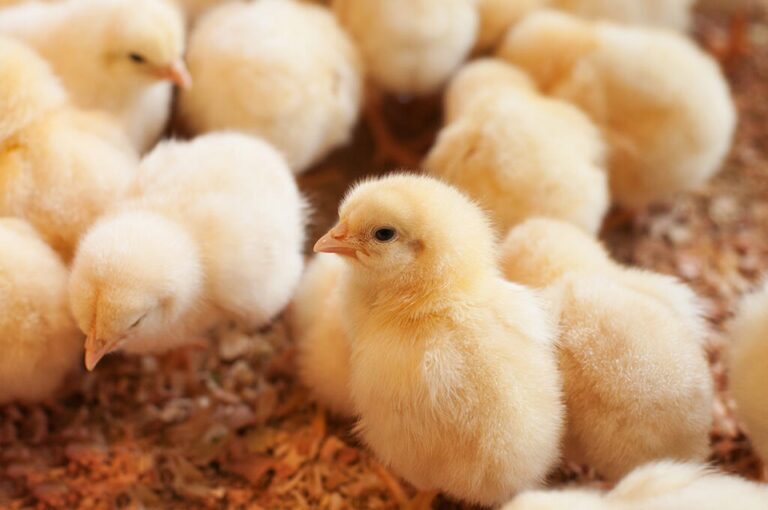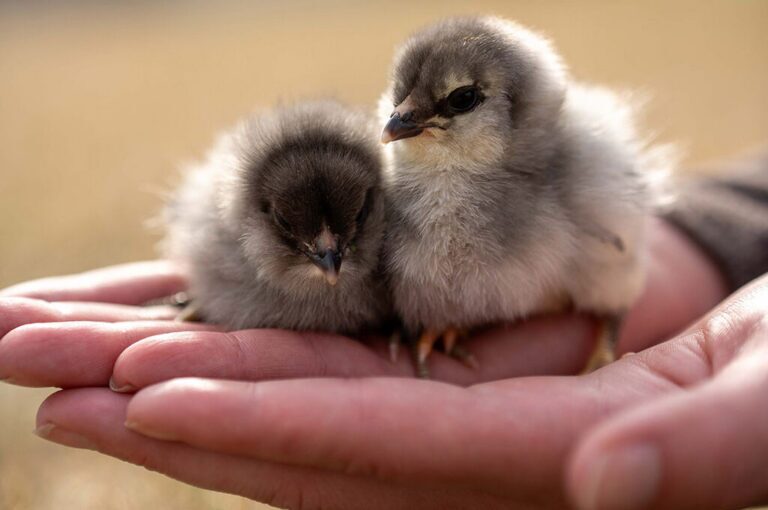
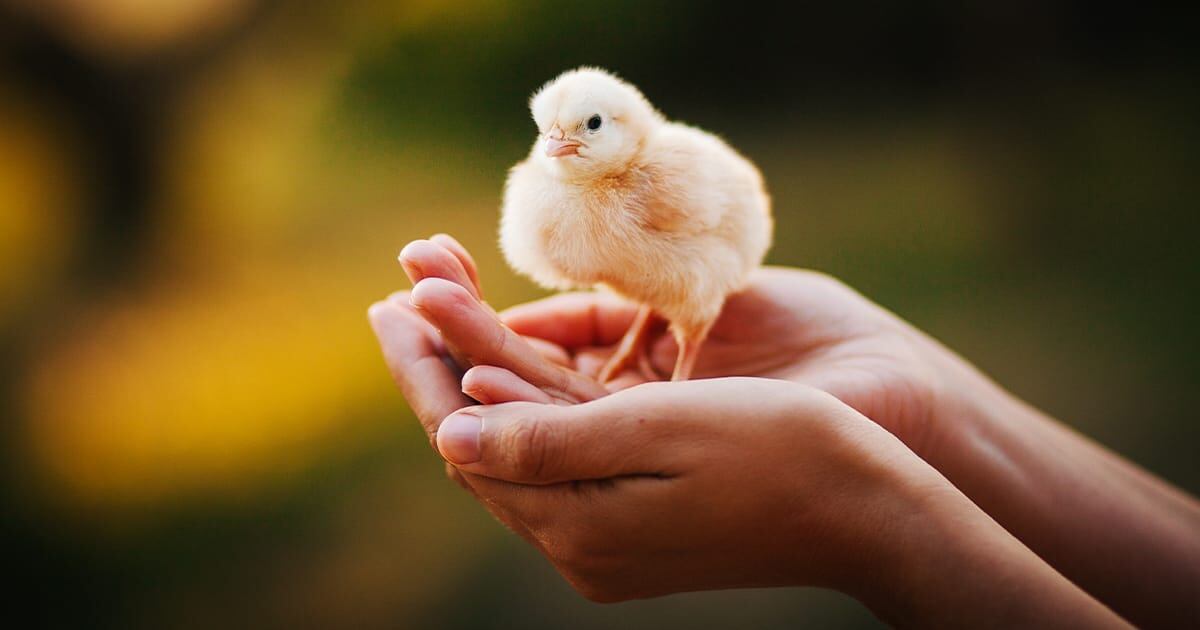
Wondering how to take care of a chick? Raising chicks is both a rewarding and educational experience. Whether you’re new to chicken keeping or have years of experience, there’s always something to learn. By being aware of the challenges and responsibilities that accompany chicks, along with good preparation and the right nutrition, you can give them the foundation to grow and thrive.
Why Choose to Raise Chicks?
Like any hobby or job, there are ups and downs when it comes to raising chicks and chicken keeping. Raising chicks provides its own perks, along with allowing you to live a more sustainable life when they grow up. Here are some benefits of raising layer chicks:
- Enjoyment watching them grow from newly hatched fluffy chicks to adult laying hens. Day by day and week by week, you will watch these chickens grow and change.
- Raising chicks and chicken keeping can be a wonderful learning experience, especially for younger people, teaching them responsibility, biology and agriculture.
- If you’re a gardener, chicken droppings make terrific fertilizer. As well as chickens will eat garden pests such as ticks, caterpillars, grasshoppers, flies, etc. Chickens also scratch and peck the ground which can aerate and till the soil.
- You can also reduce your waste as chickens will eat leftover food scraps that you might otherwise throw away.
- And everyone’s favorite, fresh eggs!
Choosing the Best Chickens for Beginners
There are a lot of breeds of chickens. With the right breed, chickens can make great pets. Read our blog Selecting the Best Chickens for Your Coop to find the most docile breeds. On the other hand, raising chicks to chickens can be a lot of work. You need to be committed to the daily maintenance chickens need. These ladies will be reliant on you year-round each day to provide fresh water and feed, and to collect eggs. Chickens also require adequate shelter from the elements and predators, which will require periodic cleaning and disinfecting. The time commitment for chickens can be a lot sometimes, but raising chickens can be a very rewarding experience if you are able to provide them with what they need. Watching them grow at each stage of their development, from vulnerable hatchlings to productive adults is a fulfilling experience.
Essential Supplies for Raising Chicks
You will need several items for your chicks, but your main priority should be a quality brooder. The brooder becomes the chick’s home for their first bit of life. Not only does maintaining it help keep your chicks healthy, but a quality brooder can provide a bit of comfort as they settle into their new surroundings. Having the right space and supplies is crucial in caring for chicks. Here are some of the essentials:
- Safe Area:You will need a safe, draft-free, well-ventilated area, room or building to keep your brooder in.
- Quality Brooder:A brooder is the place you’ll keep your chicks until they’re big enough for the coop. A quality brooder is extremely important for raising chicks as this is what keeps them safe, warm and contained. Setting up a brooder for your growing chicks requires a sturdy container that provides ample space. You can purchase a brooder or convert a large plastic tub or wooden box into one. The container’s walls should be at least 18-inches high to prevent escape, and it is also recommended to add a screen cover over the top to deter curious pets or other hazards. During the first two weeks of life, a chick will need at least 4 inches of space. They grow fast and after two weeks they will continue to need more space.
- Bedding:Proper bedding can consist of wood shavings or pine shavings and should be bedded a few inches in depth. This will help provide a soft surface and aid in absorbing moisture. Regularly changing the bedding prevents the buildup of waste and ammonia, which can lead to health issues. Maintaining a clean and safe environment is critical when raising chicks.
- Heat Source and Thermometer:A heat source in your brooder is vital to keep your chicks warm, such as infrared heat lamps or brooder plates for chicks. The optimal temperature for the first week of life is 95°F, gradually decreasing it by 5°F each week until room temperature. Keep a thermometer near your brooder so you can ensure it’s at the proper temperature.
- Feeder and Waterer:Make sure these are specifically made for chicks, such as quart-sized gravity feeders and waterers. Chicks won’t be able to eat from feeders that are too tall or could drown in waterers that are too deep.
- Cleaning Supplies:You will need disinfectant, cleaning brushes, a pitchfork and/or shovel to clean out the brooder and maintain a clean space.
- Chicken Coop:You will need a coop to transition the chicks to once they get bigger.
- High-Quality Chick Starter Feed: Starting your chicks off on the right type of feed such as Home Fresh Chick Starter or Home Fresh Chick Starter AMP is important for their development and future productivity.
Invest in Quality Nutrition for Your Chicks
Quality nutrition is important for chicks as it directly impacts their growth, development, immune system function and overall health. When feeding chicks, you will first feed them a starter feed and later transition them to grower and layer feeds.
A high-quality chick starter should contain a high protein content to support the rapid growth of young birds, along with plenty of vitamins and minerals for optimal nutrition. Home Fresh Chick Starter is a high-quality chick feed specifically formulated for starting chicks from day 1. This chick starter is a high-energy crumble diet with 20% protein. In addition, it contains essential amino acids that are necessary for growth and reproduction, as well as healthy skin and feathers.
At 20 weeks, you can transition your chicks to a layer feed. Once your chickens reach maturity and begin laying eggs, layer feed becomes essential in providing them the necessary nutrients to support egg production. Home Fresh has several chicken feeds to choose from, all containing high-quality ingredients. Read our blog Choosing the Right Home Fresh Chicken Feed for more help finding the right feed for your flock and their life stage.
In addition to feed, water plays an important role in the health of your chicks. Adequate hydration is necessary for digestion, nutrient absorption and overall vitality. Ensure your chicks have constant access to clean and fresh water.
How to Transition Your Chicks to the Coop
Moving your chicks is an exciting milestone in their growth. Generally, chicks can be transitioned when they are fully feathered, typically around 6 to 8 weeks. At this point, they can better regulate their body temperature and adapt to the outside environment. However, it’s essential to monitor the weather and avoid moving them out during extreme cold or heat.
If you have an existing flock already, it’s important that you start to introduce your chicks to them before moving them fully to the coop. Start by taking it slow and allowing them to see each other through a fence or mesh to get acquainted without direct contact. After a few days, you can allow supervised interactions in a neutral space. Always watch for signs of aggression from the older chickens and be ready to separate them if necessary.
In addition, make sure your coop is spacious enough to accommodate your growing flock. Chicks need plenty of perches and space to roam to help them adapt more comfortably to their new home. With patience and proper preparation, your chicks will soon integrate seamlessly into coop life.
Raising chicks is a journey filled with both challenges and rewards. With the right preparation, care and a complete diet of Home Fresh Chick Starter, your chicks will be off to a good start in life. Embrace the experience and you will find joy in watching your flock grow into healthy, productive chickens that thrive. For more information on chicken keeping, read our other resources.