
Explore by Species









Latest Articles
Pig Creep Feeding 101
Brooke Anderson, Account Manager, Innovative Solutions The purpose of creep feeding is NOT to gain extra weaning weight (this sometimes happens in studies but not always). It is to […]
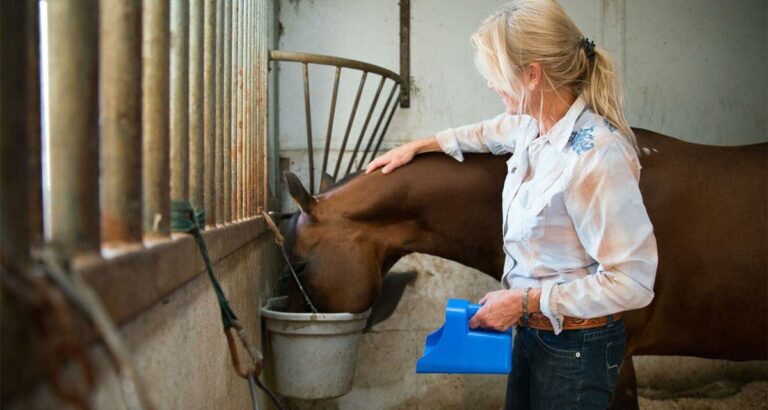
When to Seek Help from an Equine Nutritionist
What is an equine nutritionist? An equine nutritionist is a professional who specializes in the dietary needs of horses. With comprehensive knowledge of equine nutrition, they have the expertise […]
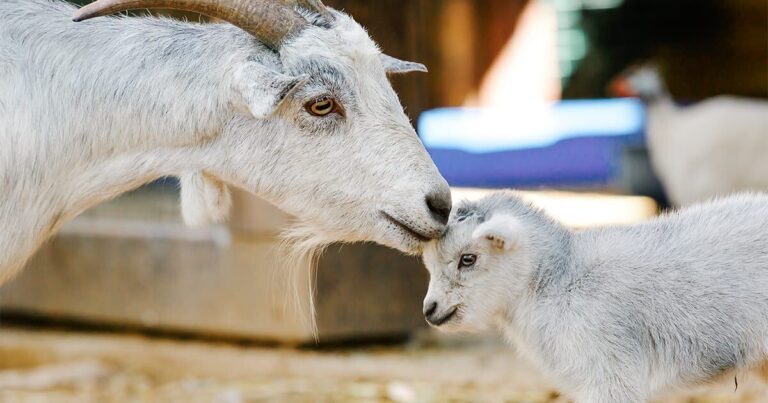
Kidding Season for Beginners
As a goat owner, understanding kidding season is important whether you have one goat expecting or a whole herd. This is an intense time in life that can result […]

Winter Horse Nutrition
As temperatures drop, horses will continue to burn more calories trying to stay warm and acclimate to the weather. This is why feeding adjustments are often necessary to meet […]

Your Winter Horse Care Guide: Safety, Riding, and Shelter
As the seasons transition, horse owners face a multitude of challenges. From managing mud and ice, to shelter and protection, all while still trying to enjoy time with their […]
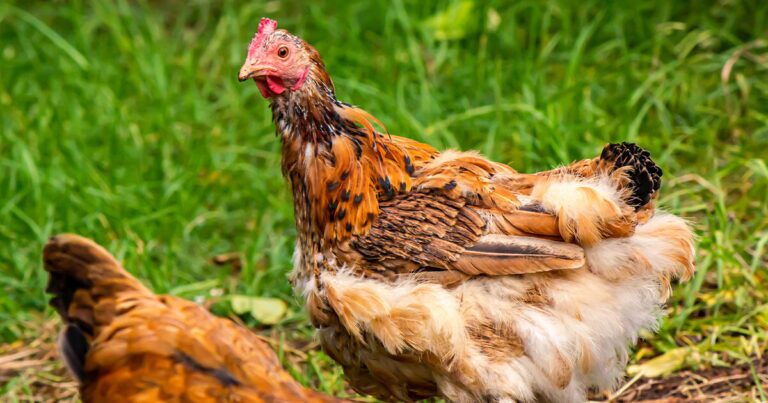
Molting Season: Getting all Feathered Up for Winter
The arrival of fall is marked by shorter days, and shorter days means less daylight. That reduced daylight triggers the annual molt in backyard chicken flocks. Each fall, starting […]
The Benefits of Omega in Chicken Feed
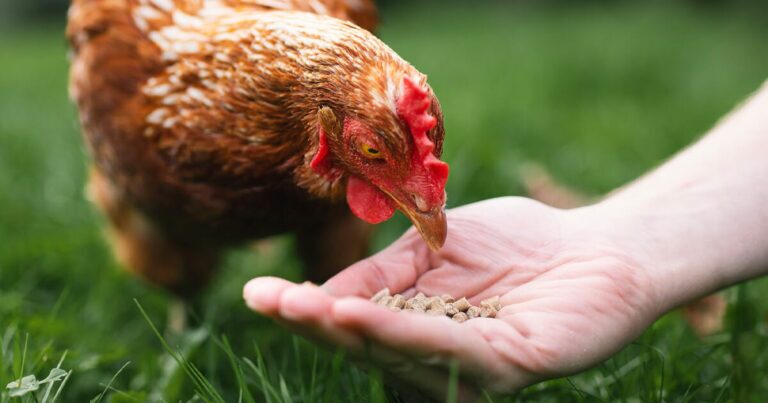
The presence of omega-3 fatty acids in chicken feed not only benefits chicken health, but also the egg consumer. By using a chicken feed with higher levels of omega […]

Easing the Bond, Weaning Horses with Care
Weaning season for horses is often a dreaded time of the year. Although necessary, the process includes an overload of stress on the foal, mare, and owner that must […]
Supplemental Chromium in Kent Nexgen® Advanced Pig Starters Study
Thomas E. Weber, Ph.D., Technical Director, Innovative Solutions Michael Edmonds, Ph.D., Vice President, Swine and Poultry Nutrition, Kent Nutrition Group Chromium is a trace mineral that helps with cellular […]












Get the nutrition advice you need.
Our expert nutrition team is passionate about giving you the in-depth information you need to help you select the best feeding program to support your animal’s overall well-being.
Yes, we have several products, including supplements and feeds, depending on the horse’s needs. In general, our Sentinel Performance LS and Sentinel Senior extruded feed products have both worked well for horses with PSSM. We also have Sentinel Care Carb Guard and other Sentinel Care supplements that may be more appropriate, depending on the individual horse. (Jeanne van der Veen)
I would recommend Sentinel Performance LS extruded horse feed. An extruded feed is easily broken down by horses with poor dentition, and it can also be easily made into a mash. This feed also contains 12% fat for efficient weight gain and high fiber content for naturally safe feeding. In addition, Sentinel Performance LS contains multiple ingredients to support an aging horse’s digestive system. (Jeanne van der Veen)
The mare may need additional vitamins and minerals in the last two to three months of gestation to support foal growth, along with energy to maintain body condition. The horse may need a protein, mineral and vitamin supplement, like Sentinel Care Equine Choice Topline 30. During the last two to three weeks before foaling, it’s recommended to switch to a feed designed for lactation and foaling, like Sentinel Safe Start or Sentinel XT Grow. (Kristyn Sturken)
Yes, Sentinel Senior can safely be fed to a senior pony. Continue to monitor body condition so the pony doesn’t become overweight. You could also consider Sentinel Simply Lite, an extruded feed for adult horses, ponies and miniatures that need a restricted calorie diet or reduced feeding rate to maintain healthy body conditions. It is balanced and concentrated with lower fat for easy keepers that don’t need additional calories for maintenance. (Kristyn Sturken)
In general, feeding recommendations for mini horses are similar to feeding standard-size horses, with adjustments for weight and body condition. Maintaining proper body condition is very important since many mini horses tend to become overweight due to overfeeding. Also, feeding products with controlled low-to-moderate starch and sugar levels may be beneficial. (Jeanne van der Veen)